Recognizing the Different Types of Replacement Windows for Your Home
Substitute home windows play a crucial function in enhancing a home's overall performance and look. With numerous styles readily available, homeowners face vital selections. From double-hung to bay windows, each type offers distinctive benefits. Understanding these choices can result in boosted energy efficiency and visual allure. What variables should one think about when selecting the suitable window type? The solution depends on discovering the features and benefits of each layout.
Double-Hung Windows
When taking into consideration options for substitute windows, double-hung home windows stand apart for their flexibility and functionality. These windows feature two operable sashes that slide up and down, permitting improved air flow and simpler cleaning. Home owners value their conventional aesthetic, which complements numerous architectural styles, from colonial to contemporary layouts.
Double-hung home windows are offered in different products, consisting of vinyl, wood, and fiberglass, providing choices for durability and energy efficiency. They can be customized with various finishes, colors, and grid patterns to fit individual tastes.
One significant advantage is their style, which enables for ventilation from both the top and base, boosting indoor air high quality. Furthermore, the capability to turn the sashes inward streamlines maintenance and cleaning. This combination of usefulness and design makes double-hung home windows a preferred selection for numerous property owners looking for reputable replacement alternatives that blend effortlessly with their home's style.
Casement Windows
Casement home windows are known for their one-of-a-kind design, which opens up outside on joints, offering a clear view and outstanding ventilation. House owners appreciate the power performance and convenience of procedure that these windows use. Furthermore, their modern-day visual can improve the total appearance of any home.
Features of Sash Windows
Amongst the different styles of substitute windows, casement home windows stick out for their distinct design and capability. These windows are depended upon one side and open outside, permitting optimum ventilation and simple operation. Normally operated with a crank system, they use a safe and secure seal when closed, boosting power efficiency. Casement home windows been available in different dimensions and can be tailored to fit various architectural designs, offering aesthetic convenience. Their unblocked sight is another notable attribute, as the absence of a center rail permits a clear sightline. Additionally, casement home windows are typically constructed with durable materials such as plastic or fiberglass, making sure durability and resistance to extreme weather condition conditions. This combination of functions makes casement home windows a popular choice for homeowners.
Advantages for Home owners
While house owners seek both capability and aesthetic appeals in their choice of home windows, casement home windows provide an engaging mix of benefits that enhance living spaces. These windows provide excellent air flow, as they can be fully available to enable fresh air blood circulation. Their layout also advertises energy efficiency, as the limited seal developed when closed aids minimize cooling and heating expenses. Casement windows are versatile, fitting numerous building styles, and can enhance natural light in a room. Furthermore, their simplicity of operation, generally opened up with a simple crank device, makes them straightforward for every ages. With boosted security attributes, casement home windows additionally supply satisfaction, making them a functional selection for property owners aiming to enhance their homes.
Moving Windows
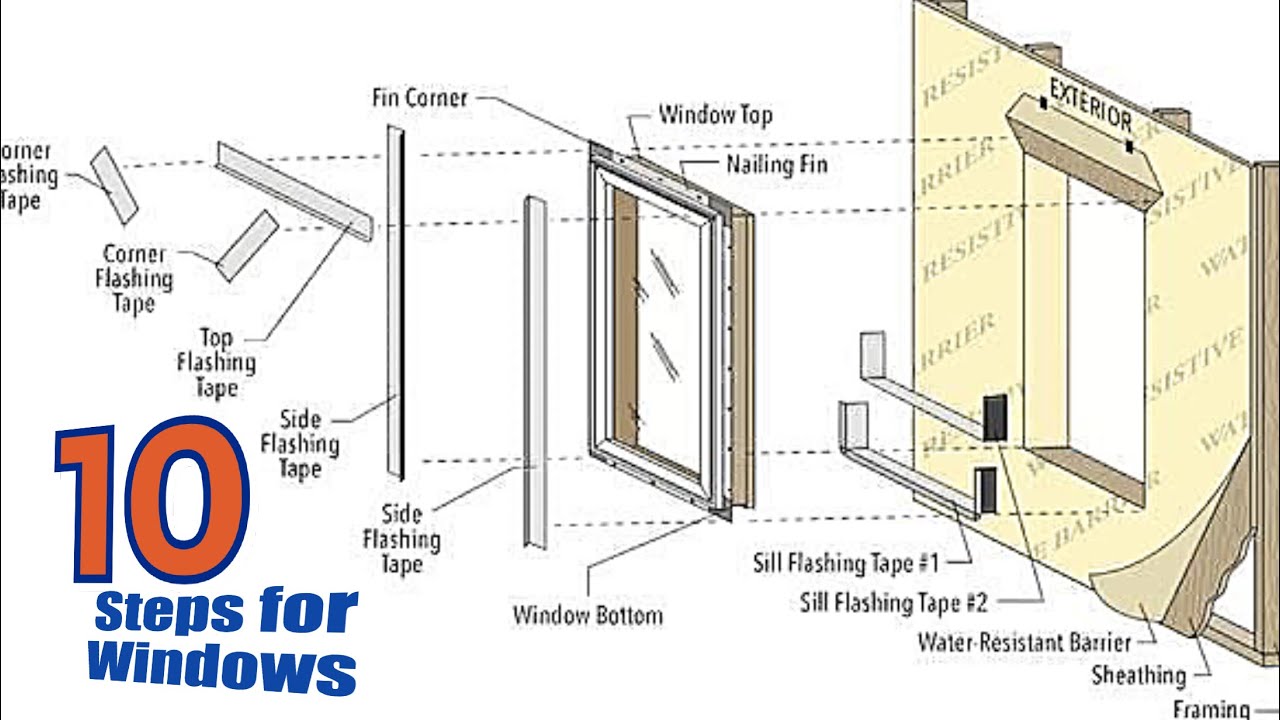
Sliding home windows offer a series of benefits, consisting of convenience of usage and efficient air flow. When thinking about installment, it is vital to be aware of certain tips to assure an appropriate fit and capability (Window Installers). Comprehending these facets can assist homeowners make informed decisions about incorporating moving home windows right into their areas
Benefits of Sliding Windows
Gliding windows emerge as a leading challenger due to their distinct style and functionality when house owners look for reliable and visually pleasing home window alternatives. These home windows run by gliding horizontally on a track, enabling easy opening and closing without requiring added area. One substantial advantage is their power performance; the layout decreases air leak, assisting to minimize and keep interior temperatures energy costs. In addition, moving home windows supply expansive sights and enough natural light, boosting the general setting of an area. Their streamlined, modern look complements numerous architectural designs, making them a versatile choice. The convenience of upkeep-- often requiring simply a basic cleansing-- adds to their appeal, making sliding home windows a functional option for many homeowners seeking design and ease.
Installation Considerations and Tips
Awning Windows
Awning home windows, which are pivoted at the top and open external, offer a superb solution for house owners seeking both air flow and protection from the components. Their style allows for air flow even during light rain, making them suitable for climates where weather can be unpredictable. These windows are typically placed greater on wall surfaces, giving personal privacy while still enabling natural light to get in.
Readily available in numerous materials such as timber, vinyl, and aluminum, awning home windows can be customized to match the aesthetic of any home. They are usually simple to run, with an easy crank mechanism that makes opening and closing effortless.
Additionally, their energy-efficient design can help minimize heating & cooling costs by decreasing air leak. House owners value the blend of functionality and style that awning windows use, making them a popular option for boosting both the inside and outside of a home.
Image Windows
Image windows offer a striking choice for house owners aiming to take full advantage of natural light and enhance their sights. These big, fixed windows are designed to provide unobstructed sightlines, making them ideal for mounting stunning landscapes. Unlike operable home windows, image windows do closed, which permits for a smooth visual and premium energy effectiveness.
Usually, they are mounted in living areas, eating locations, or any kind of area where a beautiful view can be showcased. Image home windows can likewise be coupled with various other window styles to produce distinct architectural layouts. Offered in different forms and sizes, they can complement both conventional and modern home exteriors.
While they do not offer air flow, the benefits of enhanced natural light and boosted sights typically outweigh this limitation. Property owners must consider their specific needs and the surrounding setting when selecting image windows, as they can significantly impact the general atmosphere of a room.
Bay and Bow Windows
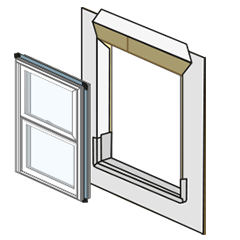
Both styles improve natural light and can make a space feel bigger and a lot more inviting. Furthermore, they give chances for added seats or screen locations, such as window benches or racks. When thinking about substitute options, house owners must concentrate on energy-efficient my link materials and setup methods to assure long-term efficiency. The aesthetic allure and functional advantages of bay and bow windows make them an appealing option for those looking to elevate their home's interior decoration while appreciating the charm of the outdoors.
Frequently Asked Concerns
How Do I Pick the Right Home Window Design for My Home?
To select the right home window style for a home, one need to consider architectural design, energy effectiveness, maintenance demands, and individual aesthetic choices. Evaluating these elements assists in choosing home windows that improve both functionality and aesthetic allure.
What Is the Ordinary Cost of Replacement Windows?
The average price of replacement windows normally varies from $300 to $1,000 per window, depending upon aspects like product, setup, and style. House owners should consider their budget and specific demands before deciding.
Are Replacement Windows Energy-saving?
Substitute windows can be energy-efficient, usually including sophisticated insulation materials and modern technologies. Several house owners experience reduced energy prices and enhanced convenience by mounting these home windows, adding positively to general power preservation and environmental sustainability.
How Lengthy Does the Installment Refine Take?
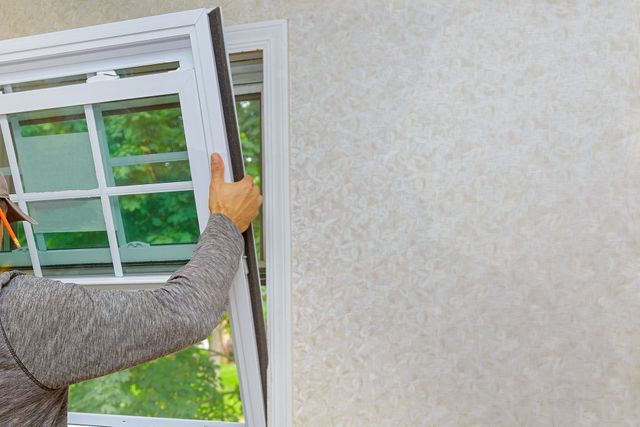
The installation procedure for replacement windows usually takes one to two days, depending on the number of home windows being changed and the intricacy of the installment (Replacement Windows). Aspects such as weather and prep work can also affect duration
What Upkeep Is Needed for Replacement Windows?
Regular maintenance of substitute windows includes cleansing the glass, examining seals for damages, oiling relocating components, and making certain appropriate drain. Furthermore, examining for rot or degeneration in structures is essential for long term functionality and visual appeals.
Among the useful source numerous styles of replacement windows, casement windows stand out for their unique style and capability. Replacement Windows. While homeowners look for both functionality and visual appeals in their selection of windows, casement home windows offer an engaging combination of benefits that improve living areas. When homeowners see page seek efficient and cosmetically pleasing home window options, sliding windows arise as a leading challenger due to their special style and functionality. Photo windows can additionally be matched with other window styles to create distinct building styles. The average expense of substitute home windows generally varies from $300 to $1,000 per window, depending on elements like product, setup, and style